
焦糖
GT Voice: China-S.Korea 'cool' trade flourishes amid heat waves_我的网站

一 |
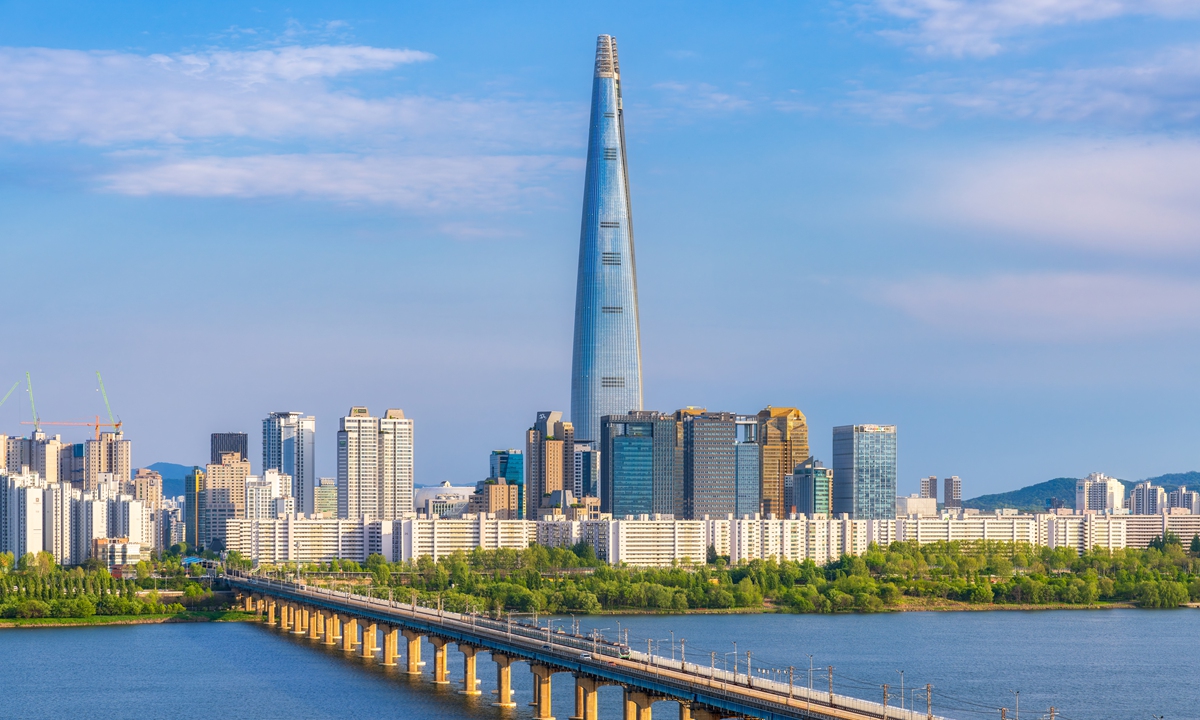
South Korea is grappling with scorching heat waves this summer, with temperatures soaring above 40 C in its capital city of Seoul for the first time since 2018. The extreme weather has dominated newspaper headlines lately, which has wreaked havoc on the people's health and agricultural production there.
For instance, with mass die-offs at the country's fish farms and catches declining, seafood prices are trending higher, according to South Korean media reports. Meanwhile, South Korean consumers' demand for cooling products is surging.
Against this backdrop, the unique strengths of China-South Korea economic and trade cooperation - characterized by flexible responses and regional short-chain supply arrangements - have been fully demonstrated.
Unlike countries in Europe and elsewhere in the West, or regions that rely on long-distance transportation, China and South Korea share geographical proximity and mature cross-border logistics system. Built through years of in-depth industrial collaboration, their circulation network drastically shortens supply chain routes and turnover cycles, delivering vital response in time of need.
Since the onset of the summer heat waves, a diverse array of Chinese-made goods - frozen beverages, portable handheld fans, pet cooling accessories and others - has flowed to the South Korean market. The rapid replenishment has provided relief to South Koreans grappling with soaring temperatures.
The "cool" trade that has blossomed between the two countries is fundamentally a story of mutual benefit and complementary strengths. While Chinese cooling supplies enter the South Korean market, Chinese consumers' demand for South Korean summer cosmetics and personal care products is heating up too. These two seemingly separate trade flows essentially reflect the deep-seated trade complementarity between the two neighbors.
Since the beginning of summer, "cool-feeling" cosmetics have become a shopping hit among Chinese consumers. Many South Korean products, featuring lightweight textures, durability and sweat-proof performance, have won growing market popularity.
The two-way trade flow is rooted in the alignment of the two countries' industrial structures and consumer needs, allowing both consumers to access what they require in the trade of "cool products" and achieve mutually beneficial outcomes.
The structural underpinnings of this synergy run deep. China's strength in agricultural production, cold‑chain infrastructure, and large‑scale manufacturing complements South Korea's prowess in beauty product research and development, good quality control and sophisticated brand operation. Most importantly, their geographical proximity allows such industrial complementarity to flourish.
From a broader perspective, global climate change seems to continue interfering with economic life in increasingly unpredictable ways. Caught in this dual pressure of escalating climate shock and global industrial restructuring, the significance of regional economic cooperation is being redefined. It is no longer limited to expanding market access and cutting operational costs; instead, it is deeply tied to safeguarding people's basic livelihoods in time of sudden unexpected disruptions.
The shortened transportation window brought by geographical proximity boosts the supply chain's response speed, enabling it to swiftly counter market volatility triggered by sudden emergencies.
The deep industrial integration that China and South Korea have nurtured over the past decades across sectors including electronics, beauty, agricultural products and cold-chain logistics has laid an exceptionally solid foundation for bilateral cooperation.
Currently, global supply chains are facing shocks from geopolitical conflicts, rising trade barriers as well as surging extreme weather patterns, leaving many long-distance global supply chains increasingly fragile and prone to sudden breakdowns.
The short-chain cooperation between China and South Korea has demonstrated that, in the era of growing uncertainties in the world, tapping deeper into regional industrial complementary advantages and building more stable and flexible cross-border industrial and supply chains is both an efficient choice to reduce circulation costs and a practical path to fend off risks to ensure industrial stability and protect people's livelihood.
。 ‘일본 아이돌 그룹 멤버’ 주장하며한글로 “현실에 절망” 내용 담아군경 출동 수색·검문검색 ‘소동’서울고법을 비롯해 전국 법원 40여곳이 26일 폭발물 설치 협박 메일을 받아 경찰이 수사에 나섰다. 각급 법원은 청사를 수색하고 보안조치를 강화했다. 실제 폭발물은 확인되지 않았다.대법원 법원행정처는 이날 “오늘(26일) 서울고법 등 40여개 법원에서 공용메일로 폭발물 설치 협박 메일을 받았다”고 밝혔다. 법원행정처는 “각 법원에서 신고 등 상황조치를 하고 검문검색을 강화했다”며 “이후 경찰서에서 출동해 수색 등 작업을 진행 또는 완료한 상태”라고 설명했다.법조계와 경찰 등에 따르면 이날 서울고법과 서울중앙·동부·남부·서부·북부지법, 인천지법, 춘천지법, 전주지법 등 40개 법원은 공용 메일 계정으로 ‘폭발물 설치’ 협박 메일을 수신했다. 해당 메일에는 “사제 폭탄을 설치했다”며 특정 시간에 폭파하겠다는 내용이 담긴 것으로 알려졌다.각 법원은 메일을 받은 뒤 경찰에 신고해 폭발물 설치 등을 확인하고 자체적으로 검문검색과 순찰을 강화했다. 전주지법 등 일부 법원에선 출입을 통제하고 군경이 출동해 수색 작업을 완료했다. 아직 폭발물 설치는 확인되지 않아 사고 위험성은 낮은 것으로 파악되고 있다.경찰은 이번 협박 메일을 2023년부터 매해 반복된 ‘일본발 허위 협박 메일’의 연장선으로 보고 있다. 경찰에 따르면 이번 메일의 발신자명은 ‘하나다 아이’라고 적혀 있었으며, 자신을 일본 유명 아이돌그룹의 멤버라고 주장하며 ‘현실에 절망했다’는 내용이 한글로 쓰여 있는 것으로 알려졌다.앞서 지난해에는 ‘가라사와 다카히로’라는 일본 변호사 이름으로 폭발물을 설치했다는 메일이 전국 초중고등학교, 서울시청 등에 발송돼 경찰이 출동했다.가라사와 다카히로는 실제 일본에서 활동하는 변호사로 2012년 극우 성향 온라인 커뮤니티에 개인정보가 유출돼 괴롭힘을 당하던 고등학생 사건을 맡았는데 이후 사이버 테러 표적이 됐다고 한다. 일본에서도 한국처럼 가라사와의 이름을 사칭한 테러 예고가 이어졌고 일부 범인들은 징역형을 선고받았다.법원행정처는 전국 법원이 동시다발적으로 이러한 협박을 받은 데 대해 추후 대응을 논의하고 있다.。
Current article:http://p6oz5g6.wairanleichengwochengzhui.shop/news/20260826_3963742.html
Published on:08:23:56